
A washing machine that will not drain is one of the most common faults Toronto and GTA homeowners face. The cause is usually a blocked pump filter, a kinked drain hose, a failed drain pump, or a faulty lid switch — and a homeowner can check the first two before calling a technician. This guide covers each cause in order of likelihood, a step-by-step fix, how to drain the drum manually, and when to book a washer repair Toronto appointment.
Key Takeaways
- A blocked pump filter is the most common reason a washing machine will not drain — clean it every few weeks.
- Inspect the drain hose for kinks or blockages before any other repair.
- Always unplug the machine and remove standing water from the drum before inspecting internal components.
- A faulty lid switch on a top-load washer prevents the spin and drain cycle from starting.
- Overloading the drum strains the pump motor and can disrupt draining.
- When the pump hums but no water moves, or error codes return after each reset, a technician is needed.
Why Is My Washing Machine Not Draining?
A washing machine usually fails to drain due to one of four causes: a blocked pump filter, a kinked or clogged drain hose, a failed drain pump, or a faulty lid switch or door lock. The two checks a homeowner can do safely first are cleaning the pump filter and inspecting the drain hose for kinks or blockages.
Blocked Pump Filter
The pump filter catches lint, coins, and small items before they reach the drain pump. When it fills with debris, water cannot pass through and the drum retains standing water after the cycle ends.
Most front-load washers have a filter accessible from a small panel at the bottom front of the machine. Clean it every few weeks. For a full walkthrough, see the Step-by-Step Guide to Cleaning a Washer Drain Pump.
Kinked or Clogged Drain Hose
The drain hose carries wastewater from the pump to the standpipe or laundry tub. A kink, a debris blockage, or a hose pressed flat against the wall can restrict or stop flow entirely.
Inspect the full length of the hose for kinks. If the hose appears clear, disconnect it from the standpipe and check inside for blockages — a plumber’s snake removes compacted debris.
Failed Drain Pump
The drain pump forces water out of the drum during the drain and spin cycles. A jammed motor — often caused by a coin or small item that passed the filter — produces a loud humming noise but moves no water.
Grinding or rattling noises during the drain cycle suggest a failing pump. Water leaking from under the machine can also signal pump failure. Pump replacement is a job for a technician.

Faulty Lid Switch or Door Lock
On top-load washers, the lid switch signals the control board that the lid is closed. When the switch fails, the machine will not advance to the drain cycle even when the lid is shut.
Front-load machines use a door lock instead. A failed door lock stops the cycle before draining. Test the lid switch by pressing it manually — a working switch clicks audibly when depressed.
How to Fix a Washing Machine Not Draining
Step 1 — Unplug the Machine
Always unplug the washing machine before opening the pump filter access panel or disconnecting the drain hose. Place towels around the base to catch spills and keep a bucket nearby.
Step 2 — Remove Standing Water From the Drum
Standing water in the drum makes filter and hose access difficult and causes spills. Locate the small drainage hose near the pump filter panel and drain the drum into a bucket before removing the filter. Excessive detergent can also interfere with draining — confirm the machine uses HE detergent in the correct quantity.
Step 3 — Clean the Pump Filter
Unscrew the filter cap slowly — water will flow out. Remove the filter and clear all lint, coins, and debris. Rinse it, reinsert, and tighten the cap securely before running a test cycle.
Step 4 — Inspect the Drain Hose
Check the full length of the drain hose for kinks. Confirm it is not crushed against the wall and is seated properly in the standpipe. A cracked or split hose requires replacement.
Step 5 — Test the Lid Switch or Door Lock
On top-load washers, confirm the lid closes firmly and the switch engages. Run a short drain cycle to test. If the machine still will not drain and the filter and hose are clear, the lid switch likely needs replacement by a technician.
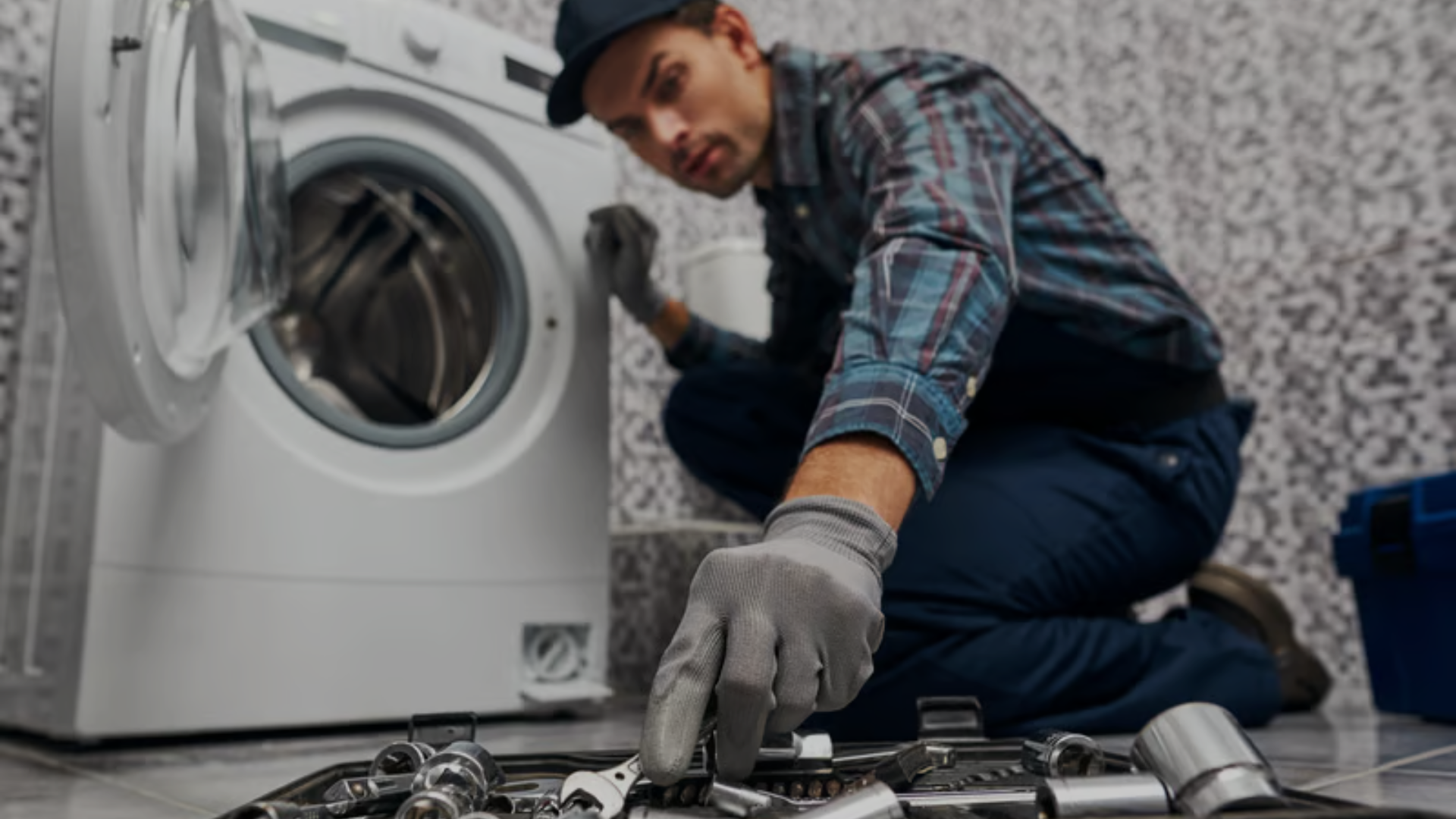
How to Drain a Washing Machine Manually
Before attempting any repair on a machine with standing water, drain the drum manually first.
Unplug the machine. Lay towels around the base and set a shallow pan or bucket beneath the pump filter access panel. Open the panel and locate the small drainage hose — this is a separate hose from the main drain hose and is designed for manual emptying.
Remove the end cap slowly and let water flow into the bucket. Empty as needed until the drum is clear.
Once drained, clean the pump filter before running a test cycle.
When a Washer That Will Not Drain Needs a Technician
A pump that hums but moves no water — even after the filter is clean and the hose is clear — has a jammed or worn motor that needs replacing.
Repeated drain failures with error codes that return after each reset point to a control board or motor fault — both need professional diagnosis.
Water pooling under the machine — not from the filter panel — indicates a cracked pump housing or a failed tub seal, which require disassembly to confirm.
For what drain pump replacement involves and costs, see the washer drain pump replacement guide. For the full price breakdown by fault, see the washing machine repair cost guide.
Samsung owners with persistent drain faults can find model-specific guidance at Samsung washer repair Toronto.
Frequently Asked Questions
Why is my washing machine not draining completely?
Partial draining usually traces to a partially blocked pump filter or a drain hose positioned too high on the standpipe. A hose end above the recommended height creates back-pressure that prevents the drum from emptying fully. Clean the filter first, then confirm the hose height matches the owner’s manual.
Can a clogged drain hose stop a washing machine from draining?
Yes. A kinked, crushed, or clogged drain hose blocks water flow from the pump to the standpipe. Inspect the full length of the hose for kinks, then disconnect it from the standpipe to check inside. A plumber’s snake clears compacted debris that rinsing cannot remove.
What does a faulty lid switch do to the washing machine drain cycle?
A faulty lid switch on a top-load washer prevents the spin and drain cycle from starting. The machine fills and agitates normally but will not drain because the control board never receives the lid-closed signal. Replacing the lid switch restores normal drain operation.
How often should I clean the pump filter to prevent drain problems?
Clean the pump filter every few weeks, or immediately when the machine stops draining. Check pockets before washing — coins and small items are the most common cause of filter blockages and pump jams. A monthly maintenance wash helps prevent lint buildup across the drain path.
Book Washer Repair With Toronto Appliance Repairs
Toronto Appliance Repairs serves homeowners across Toronto, North York, Scarborough, Etobicoke, Mississauga, and the wider GTA with same-day washer repair Toronto appointments for washers that will not drain and all other washer faults.
Technicians arrive with common replacement parts and confirm the diagnosis before any repair is approved. The diagnostic fee is $95 plus HST ($129 plus HST for gas), confirmed upfront and applied toward the repair cost. Transparent pricing — no hidden fees.
Call 416-918-2700 to book today.
For a full list of appliance repair services across Toronto and surrounding areas, visit Toronto Appliance Repairs services.